The Art of the Moon Phase Garland: A Comprehensive Exploration
Intro
Moon phase garlands have emerged as a captivating fusion of art and nature, reflecting humanity's enduring fascination with the night sky. As seasonal decorations find their way into homes, these garlands hold more than just aesthetic appeal; they embody a rich tapestry of cultural significance and artistic expression. From ancient rituals under full moons to contemporary interior design schemes, the moon's phases have consistently influenced human activity.
The allure of moon phase garlands is not just in their visual beauty but also in their symbolism. Each phase of the moon carries its own narrative, representing new beginnings, growth, transformation, and closure. This article aims to peel back the layers of these lunar decorations, offering insights into their historical roots and practical applications.
In examining the art of moon phase garlands, we will explore essential design principles, material selections, and the technical aspects of crafting. Additionally, we will discuss how these pieces impact personal spaces, serving as reminders of nature's rhythms in a fast-paced world.
Ultimately, this guide is crafted for both enthusiasts looking to create their own garlands and professionals in the fashion and design fields who wish to integrate these elements into their work. Let’s embark on this journey to illuminate the beauty and significance of moon phase garlands.
Intro to Moon Phase Garlands
Moon phase garlands capture the enchanting aura of our celestial companion, the Moon. Their delicate designs not only serve as artistic expressions but also resonate with deeper meanings rooted in culture and history. These garlands symbolize the cyclical nature of life and the ever-changing aspects of our world.
In this article, we will explore the significance and charm of moon phase garlands, delving into their cultural, artistic, and personal implications. For anyone looking to add a touch of whimsy and profound symbolism to their spaces, understanding moon phase garlands offers valuable insights into personal expression and aesthetic beauty.
Defining Moon Phase Garlands
Moon phase garlands are decorative strings that illustrate the different phases of the moon: new moon, waxing crescent, first quarter, waxing gibbous, full moon, waning gibbous, last quarter, and waning crescent. Each phase represents a unique stage in the lunar cycle, characterized by its own visual attributes. Typically, these garlands are made from materials such as paper, fabric, wood, or other sustainable resources, and they can vary in size and complexity.
By combining colors and textures, artisans and enthusiasts create garlands that are not only captivating but also meaningful. These works of art can be displayed in homes, studios, or event spaces, enriching environments with a sense of connection to nature and the cosmos.
Cultural Relevance of Lunar Motifs
Lunar motifs have held significant cultural importance across civilizations and throughout history. Many cultures view the moon as a symbol of femininity, intuition, and transformation. For example, in ancient Greece, the moon was personified as the goddess Selene, while in many Indigenous cultures, it was regarded as a guiding force connected to agricultural cycles and seasons.
The regularity of lunar phases made them crucial in agricultural planning, dictating when to plant and harvest crops. The way the moon influences tides is also noteworthy, representing the connection between celestial events and earthly occurrences.
"The moon is a friend for the lonesome to talk to."
— Carl Sandburg
In modern times, lunar motifs continue to inspire spiritual practices and artistic endeavours. Moon phase garlands encapsulate this blend of beauty and spirituality, reminding us of our relatedness to the natural world. They become not only ornaments but also tokens of cultural heritage and personal adornment, enriching the spaces we inhabit.
As we proceed through this exploration of moon phase garlands, we will examine their historical context, the materials used in crafting, design principles, techniques for creation, and their broader impact on individual style and the environment.
Historical Context of Lunar Symbolism
The captivating allure of the moon is palpable across cultures, making its symbolism rich and varied. Understanding the historical context of lunar symbolism not only illuminates why moon phase garlands hold significance but also showcases the intersections of art and spirituality. The relevance of this topic is underscored when one considers how it bridges ancient beliefs with contemporary expressions.
Ancient Civilizations and the Moon
Ancient civilizations often revered the moon as a goddess or deity, attributing both awe and mystery to its luminous phases. The Egyptians, for instance, offered homage to the moon god Thoth, who was paired with wisdom and knowledge. The lunar cycles were meticulously observed and even aligned with calendars that governed agricultural practices, indicating how the moon shaped daily life. Similarly, the Mesopotamians associated the moon phases with their own deities, with the first crescent heralding new beginnings in their religious practices.
Even in cultures far removed from the Mediterranean, such as the indigenous peoples of North America, the moon often dictated the rhythms of nature. During any given month, they incorporated moon phases into their agricultural traditions, marking when to plant or harvest crops accordingly. The emphasis on the moon as a timekeeper reflects an innate understanding of nature's interconnectedness.
"The moon is the first light we knew as children and the last light we watch as we return home; it has always been a symbol of continuity and change."
Artistic Expressions Throughout History
Art has long been a medium through which lunar symbolism is expressed. From the intricate carvings found in ancient temples to early tapestries, the moon has served as both inspiration and subject matter. For example, in medieval European art, phases of the moon were often depicted in illuminated manuscripts, showcasing a blend of scientific observation and spiritual reflection.
As we traverse through time into the Renaissance, we see the moon resonating in the works of artists like Leonardo da Vinci and their focus on light and shadow. Da Vinci’s sketches often measured nature against the rhythms of the moon, blurring the lines between art and science.
Furthermore, in Eastern cultures, paintings often portray moonlit landscapes, conveying serenity and contemplation. Ink on silk, reflecting shades of blue and white, embodies the moon-lit nights, suggesting deeper emotional and spiritual connections.
The great variety in artistic interpretations underscores how lunar symbolism is not limited to one culture; rather, it highlights a universal recognition of our connection to the cosmos. Today, as we craft moon phase garlands, we partake in this age-old tradition, creating not just decorations but symbols of continuity, weaving in threads of history, artistry, and personal meaning.
Materials for Crafting Moon Phase Garlands
When diving into the enchanting realm of moon phase garlands, the materials chosen play a pivotal role in both aesthetics and sustainability. Crafting these decorative pieces not only reflects personal tastes but also connects the creator to the environment. Understanding the types of materials available and their implications can enhance not just the visual appeal of the garlands, but also their environmental impact—a consideration of great significance today.
Choosing Sustainable Resources
In a world increasingly conscious of its ecological footprint, selecting sustainable resources for crafting moon phase garlands is essential. Utilizing materials that are either renewable or recyclable helps in reducing waste and promoting a healthier planet.
- Wood: Opting for wood from responsibly managed forests, such as reclaimed wood or bamboo, provides a warm, natural look while also supporting sustainable forestry practices. Bamboo in particular regenerates quickly and requires no pesticides, making it a wise choice.
- Fabric: Organic cotton or upcycled textiles can bring texture and color to your garland without the harmful environmental impact of conventional fabrics. Sourcing fabric scraps from local artisans not only contributes to reducing waste but also supports the community.
- Paper: High-quality recycled paper can be used to create delicate lunar shapes, minimizing the depletion of forests. It's biodegradable and can be easily replaced, which aligns well with environmental goals.
Engaging in responsible sourcing not only facilitates artistic expression but also fosters a deeper connection to the materials. Moreover, incorporating stories about the sourcing process into your garland can make it a conversation starter, enriching the experience for both the creator and the audience.
Traditional vs. Modern Materials
The contrast between traditional and modern materials for crafting moon phase garlands can inform the final design's character and resonance. Each category carries its own set of advantages.
Traditional Materials: Often steeped in cultural heritage, traditional materials like clay, leather, and fabric have been used for generations. They invoke a sense of authenticity, offering tactile and visual richness to the garland. For instance:
- Clay: Hand-shaped clay moons can capture details like texture and color, providing a rustic yet polished feel.
- Leather: Using vegetable-tanned leather not only ensures a unique look, but also means that the material will age beautifully over time.
Modern Materials: On the other hand, advancements in technology have ushered in a range of modern materials that can enhance creativity and sustainability. For example:
- Acrylic: Clear or colored acrylic shapes can offer a contemporary twist, reflecting light in whimsical ways. They're lightweight and easy to manipulate, making them ideal for ambitious designs.
- 3D-Printed Elements: Harnessing 3D printing technology can allow for intricate designs that might be difficult to achieve with traditional crafting methods. This technique can reduce material waste and provide precision.
Ultimately, the choice between traditional and modern materials hinges on personal style preferences, the desired aesthetic, and the significance attributed to environmental stewardship. Not only does this decision frame the overall atmosphere of the moon phase garland, but it also allows for personal expression in ways that resonate with the maker and the viewer alike.
Design Principles for Moon Phase Garlands
Creating a moon phase garland goes beyond mere decoration; it embodies a blend of artistry, intention, and a connection to celestial cycles. Design principles are the guiding factors that dictate how these garlands can transform a space and reflect personal aesthetics. When embarking on this creative journey, it’s crucial to understand the elements that contribute to a harmonious design, ensuring that the final product conveys the desired essence and enhances its surroundings.
Incorporating Color Theory
Color plays a pivotal role in the overall impact of a moon phase garland. Just as different colors evoke different emotions, the hues chosen for the garland can mirror the mood one wishes to create within a space.
- Warm Tones: Variations of yellows and oranges can bring a sense of warmth and cosiness, reflecting sunlight and creating a welcoming atmosphere.
- Cool Tones: Shades like deep blues and silvers can evoke tranquility and serenity, reminiscent of night skies.
- Neutral Shades: Whites, greys, and creams serve as a backdrop, allowing for other colors to pop while providing a sense of balance.
Another effective application of color theory is the use of color gradients. Creating a gradual transition between shades can mimic the natural progression of the moon phases, adding depth and intrigue:
- New Moon to Full Moon: Starting from dark, muted colors and transitioning to bright, luminescent whites or yellows captures the celestial shift as the moon waxes.
- Full Moon to New Moon: Reversing this gradient symbolizes the waning period, emphasizing a cyclical nature of growth and reduction.
The thoughtful selection of colors can tailor a garland to match seasonal decor, personal style, or thematic events—like Halloween or summer solstice celebrations.
Shapes and Sizes: Finding Balance
Shapes and sizes in the design of moon phase garlands are just as vital as color selections. Each phase of the moon—new moon, crescent, first quarter, full moon, last quarter, and waning crescent—carries its unique shape and symbolism. Incorporating these shapes into the garland not only honors the lunar cycle but also adds an organic flow to the design.
When considering shapes:
- Round Shapes: Echo the fullness of the full moon, representing wholeness and completeness. These can be emphasized with circular elements within the garland or through rounded motifs in the materials used.
- Crescent Shapes: These suggest growth and potential, allowing them to bring movement into the garland's layout. Varying the size of crescents can create visual interest, as larger shapes draw the eye first.
Choosing the right sizes is where balance truly comes into play. A well-balanced garland will have a mix of larger and smaller elements. Too many large components can feel overwhelming, while an abundance of small pieces might lead to a cluttered appearance. Achieving harmony involves:
- Proportional Layout: Place larger phases near the center of the garland, tapering off to smaller representations at the ends.
- Spacing Considerations: Providing adequate space between elements ensures that each phase is noticeable and distinct, enhancing the overall design rather than merging them into one chaotic unit.
Ultimately, the design principles associated with moon phase garlands are not just frameworks; they are expressions of creativity and personal philosophy. By grasping the fundamentals of color usage and the interplay of shapes and sizes, one can craft a garland that resonates deeply, not just as decoration but as a celebration of lunar cycles that places the creator’s spirit within the decor.
Techniques for Crafting Moon Phase Garlands
When delving into the realm of moon phase garlands, understanding the crafting techniques is paramount. This not only allows creators to produce visually appealing decorations, but also ensures that the end product resonates with the desired symbolism of lunar cycles. The art of crafting these garlands can be an expression of one's personal style as well as a reflection of philosophical and cultural beliefs associated with the moon.
One of the main advantages of focusing on the techniques for crafting moon phase garlands is the ability to personalize the process. With a solid grasp of these methods, one can experiment with different materials, colors, and designs that best represent their own aesthetic. Additionally, mastering the techniques can enhance the overall quality and durability of the finished product, ensuring it remains a cherished piece for years to come.
Factors to consider while exploring these techniques include the type of materials available, the desired level of complexity in design, and the tools at hand. Emphasis on sustainable practices not only benefits the environment but can also be a point of pride for crafters, knowing their work reflects a commitment to nature.
Step-by-Step Crafting Processes
Creating a moon phase garland requires careful planning and a methodical approach. Here’s a step-by-step guide to get started:
- Gather Materials: Select your preferred materials, such as felt, paper, wood, or metal. Each material offers different textures and colors to achieve varied visual effects.
- Cut Moon Shapes: Choose the phases of the moon you want to represent. You might decide on a full garland that includes the new moon, waxing crescent, first quarter, waxing gibbous, full moon, waning gibbous, last quarter, and waning crescent, or opt for a simpler selection. Use templates for precision or freehand for a more organic feel.
- Assemble the Pieces: Use string, twine, or fishing line to connect the moon shapes. Carefully space them to create a balanced visual flow across the garland.
- Add Personal Touches: Consider incorporating embellishments such as beads, stars, or even natural elements like dried flowers. This not only enhances the aesthetic but also makes it uniquely yours.
- Hang Your Creation: Decide where your garland will be displayed. Some popular spots are above a bed, across a window, or as part of a gallery wall. Select locations that draw attention and enhance the overall atmosphere of the space.
- Felt: Soft and easy to cut, great for a whimsical look.
- Paper: Versatile and can be printed with unique designs.
- Wood: Provides a rustic charm, but requires more tools to work with.
“Every creation is a reflection of your inner world—let that shine through in your moon phase garland.”
Innovative Methods and Tools
Crafting moon phase garlands increasingly involves innovative methods and tools that push creative boundaries. Here are a few notable ones:
- Laser Cutters: For those working with wood or thick materials, laser cutters can create intricate and precise designs that would be nearly impossible by hand. This tool allows for unique shapes and adds an element of sophistication.
- 3D Printing: With technology being so accessible now, using a 3D printer can enable you to craft customized moon phases that are durable and precisely shaped. You can experiment with different styles and designs without the material waste.
- Digital Design Software: Software programs such as Canva or Adobe Illustrator can help in creating patterns or planning designs before physically crafting them. Making adjustments digitally can save time and enhance your creativity.
Incorporating these innovative tools not only streamlines the crafting process, it also opens doors to wider creative possibilities. Adopting such methods can resonate well with a target audience already captivated by the artisanal aspects of moon phase garlands. Look for tutorials on platforms such as YouTube to further enhance your skills.
Engaging with these contemporary techniques encourages a broader appreciation of garlands, merging tradition with innovation. As one immerses deeper into this art form, the possibilities appear as infinite as the phases of the moon.
Displaying Moon Phase Garlands
Displaying moon phase garlands goes beyond mere decoration; it serves as an expressive medium that aligns personal aesthetics with individual narratives. Whether it's brightening up a living room or lending a mysterious vibe to a cozy reading nook, the placement matters as much as the design. By accentuating certain areas within a space, these garlands have the potential to transform not just rooms, but the atmosphere and emotional tone of a household.
Creative Placement Ideas
When it comes to the placement of moon phase garlands, creativity reigns king. Here are some thoughtful ideas to consider:
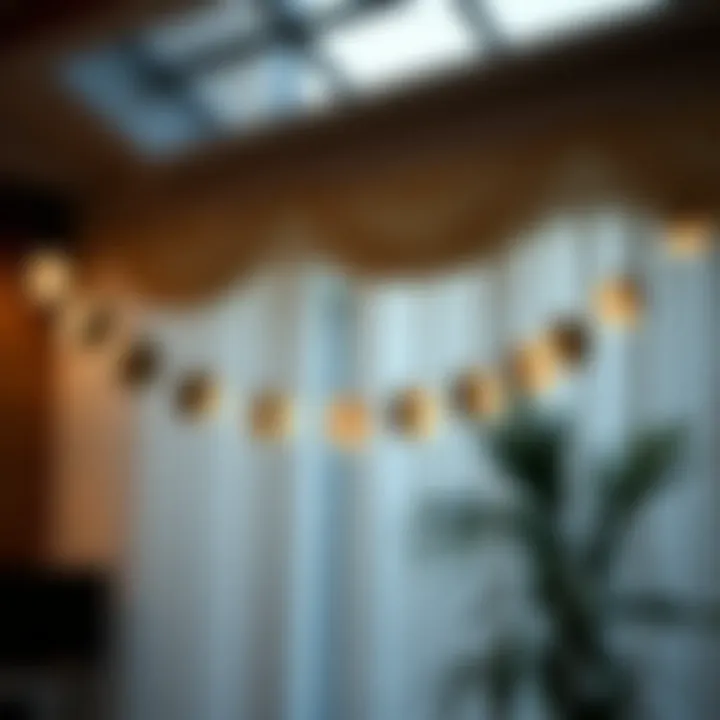
- Above a Window: Hanging the garland in front of a window can let natural light play into the shapes, casting shadows that bring the phases to life, especially in the early morning or late afternoon sun.
- On a Gallery Wall: Integrating a moon phase garland with existing artwork can create a captivating visual dialogue. It can act as a frame that draws the eye around the wall, encouraging viewers to explore each piece.
- Over a Mirror: Aligning the garland above a mirror adds depth, playing with reflections and emphasizing the phases even more. This placement captures an almost ethereal quality, especially in softly lit spaces.
- Above a Bed or Crib: This choice can create a tranquil and dreamlike environment, promoting peace especially in bedrooms where serenity is key. Imagine soft colors blending with the night sky motifs guiding one into slumber.
These ideas allow moon phase garlands to shine their brightest, letting their charm intertwine with the of the overall decor. Each placement can infuse personality into the spaces we inhabit, turning mundane areas into personalized masterpieces.
Integrating Garlands in Different Spaces
Integrating moon phase garlands throughout various spaces can significantly enhance their aesthetic and emotional value. Here are several considerations and tips for doing this effectively:
- Living Rooms: In this central gathering space, placing the garland above a bookshelf or along a mantel can add a conversational element. Paired with other celestial or nature-inspired decor, it creates a cohesive theme, inviting discussion about symbolism and meanings associated with the moon phases.
- Kitchens: While unconventional, hanging a small garland in a kitchen space can effectively bridge the utility of this area with decorative beauty. A whimsical touch above cabinets or near a dining nook allows for a playful yet stylish presentation, making meal times a bit more enchanting.
- Bathrooms: Interesting, right? Garlands can even find their place in bathrooms. Imagine a soothing display above a bathtub or a mirrored vanity. With the right lighting, it transforms an ordinary bathroom into a serene spa-like retreat, enhancing relaxation.
- Outdoor Spaces: If the garland is made from weather-resistant materials, it can also grace porches or patio settings. A moon phase garland can create a dreamy ambiance for evening gatherings, evoking the calmness of a starry night sky, and providing just the right backdrop for socializing.
Each space offers unique opportunities to showcase these decorative pieces, transforming everyday environments into extraordinary reflections of personal style. The versatility of moon phase garlands combined with thoughtful placement ensures that these decorative items are not just mere accessories but integral components of one’s home narrative.
The Role of Moon Phase Garlands in Personal Style
Moon phase garlands have transcended their origins from mere decor to become a personal expression of one's style and values. In this section, we'll dive into how these garlands serve not just as ornamental pieces but as vital components that reflect individuality and deeper meanings.
Expressing Individuality Through Decor
In this modern age where personalization is king, moon phase garlands shine as a versatile option for those who seek to express their unique tastes. Whether someone opts for a sleek minimalist design or an elaborate, colorful adornment, the style of the garland speaks volumes about their personality. Each choice, from the type of material used to the arrangement of the phases, allows individuals to curate a space that resonates with them.
Consider a scenario where two people design their living rooms. One might hang a simple garland made of white clay moons lined with twinkling fairy lights for a clean and serene look, while another may choose vibrant fabrics to create an eye-catching decoration, emphasizing a lively, eclectic vibe.
Not just a look, but the story behind the choices adds layers of meaning. Perhaps a metal crescent moon reflects a fascination with astronomy or a specific experience with a loved one. Each garland can become a conversation starter or a subtle nod to one's interests, making the personal connection that much stronger.
Benefits of Using Moon Phase Garlands in Personal Style:
- They offer a visual representation of personal beliefs, such as spirituality or a connection to nature.
- Add texture and color to otherwise uninspiring spaces, instantly enlivening the atmosphere.
- Can be crafted in various styles, allowing for customization based on seasonal changes or celebrations.
Symbolism and Personal Connection
Beyond mere aesthetics, moon phase garlands hold significant symbolic weight. The moon has always been associated with change, growth, and cycles. This makes them powerful symbols in many cultures, but on a personal level, they can embody one’s journey through life's phases.
People might associate certain moon phases with particular events or feelings. For instance, the new moon signifies new beginnings, while the full moon can represent completion and abundance. Displaying a garland featuring these phases can serve as a reminder of these transitions.
"Decor isn’t just about what you see. It's an expression of who you are."
By integrating these symbols into the home, individuals establish an intimate connection to their space. This kind of symbolism can also guide one’s personal growth or even meditative practices, as the presence of the moon represents continuity in life’s journey.
Crafting or purchasing a moon phase garland also often involves a deeper thought process; one may choose materials that resonate with their values, like sustainable resources or handcrafted items, thereby fostering a personal philosophy rooted in eco-consciousness.
Connecting with Cultural Narratives
What's fascinating about these garlands is how they bridge personal style with cultural narratives. Many cultures regard the moon as a potent symbol of femininity, fertility, or even timekeeping. Integrating these symbols into decor invites a wider dialogue about heritage and identity, situating personal expression within a broader context.
In summary, moon phase garlands are much more than decorative items; they are a testament to individual personality, experience, and cultural connection. As we curate our spaces and share our stories through these artifacts, we weave narratives that reflect who we truly are.
Impact of Moon Phase Garlands on Environment
Moon phase garlands are not just aesthetic pieces but also have an important role to play in addressing environmental issues through sustainable practices. In today’s world, where the conversation around eco-friendliness has become paramount, understanding how these decorative items can be produced responsibly is integral to any explorative narrative.
Sustainable Practices in Crafting
Crafting moon phase garlands using sustainable practices is about making conscious choices that minimize ecological damage. This facet can involve several aspects that ensure the crafting process is as green as it gets.
- Material Choices: Selecting eco-friendly materials like reclaimed wood or recycled paper significantly lessens environmental impact. Each of these materials has a unique texture and character that contributes to the charm of the garland while promoting sustainability.
- Local Sourcing: Emphasizing local suppliers also reduces carbon footprints associated with transportation. By accessing materials closer to home, artisans can ensure fresher products and stimulate their local economy.
- Waste Management: During crafting, it’s vital to adopt a zero-waste philosophy. This entails reusing scraps from the creation process. For instance, small moon cutouts can be repurposed into other decorative elements, thus preventing material from ending up in landfills.
Incorporating these practices not only enriches the crafting experience but also reflects a commitment to preserving the environment. Amongst enthusiasts, there is a noticeable shift toward craftsmanship that respects both the art and the earth.
"Sustainable crafting practices don’t just preserve the environment; they tell a story of respect for nature and creativity."
The Environmental Footprint of Materials Used
Beyond practices, it’s essential to scrutinize the materials used in creating moon phase garlands and their environmental footprints. Different materials carry varying levels of sustainability, and understanding these can guide artisans, designers, and consumers.
- Natural Materials: Using materials like bamboo or cork can be ideal as they are renewable and require less intensive resource extraction compared to plastic. Bamboo grows quickly, making it a resilient choice.
- Synthetic Materials: While some synthetic materials mimic desirable traits, they often come with hidden costs, such as energy-intense production processes that contribute to pollution. For example, plastic-based materials tend to stay in the environment long after they’re disposed of.
- Biodegradable Options: These are becoming increasingly popular as a choice for eco-conscious creators. Utilizing items that naturally decompose, like certain types of paper or plant-based fibers, can substantially lessen long-term environmental effects.
Understanding the environmental footprint of the materials used is integral to making informed decisions in crafting moon phase garlands. Consumers are also becoming more discerning, favoring crafts that promote a lesser ecological impact and valuing transparency in sourcing and production.
By integrating both sustainable practices in crafting and being mindful of the materials chosen, the impact of moon phase garlands on the environment can be positive rather than detrimental. These decorative items can thus serve as reminders of our responsibility towards nature while beautifying personal spaces.
The End: The Enduring Appeal of Moon Phase Garlands
The enduring appeal of moon phase garlands lies in their multidimensional significance, weaving together the threads of personal expression, spirituality, and aesthetics. Until now, these garlands have transcended mere decorative purposes to become icons of identity and connection to the cosmos.
To fully appreciate why moon phase garlands hold this special place, one must reflect on their origin and evolution. Historically, they have been much more than just visual delights; they symbolize the cyclical nature of life itself. From ancient civilizations that worshiped celestial bodies to modern craft enthusiasts who find peace in creating, the moon's phases encapsulate change and continuity, elements that resonate deeply with human experience. For many, these garlands serve not just as decor but as tangible reminders of the universe’s vastness and mystery.
One cannot overlook the impact of crafting itself. The act of molding materials into a moon phase garland can be a meditative experience, allowing creators to lose themselves in the process while manifesting their inner visions. This journey of creation plays a pivotal role in fostering a sense of individuality and ownership over one’s space. Thus, moon phase garlands often reflect personal stories, capturing memories, emotions, and dreams in their carefully crafted forms.
Moreover, as trends shift towards sustainability and ethical practices, the appeal of moon phase garlands is likely to grow. Many artisans are consciously choosing materials that are eco-friendly, which aligns with consumer demand for responsible decor choices. This not just enhances the practical aspect of owning a garland but also elevates it to a statement piece that echoes values and awareness about our environment.
In a world rife with the mundane, moon phase garlands offer a breath of fresh air; they encapsulate a unique blend of artistry, personal meaning, and cultural heritage.
Looking ahead, it is clear that the moon phase garland will continue to evolve, adapting to modern sensibilities while retaining its root significance. From digital designs emerging from tech-savvy creators to traditional crafters finding innovative ways to connect with their ancestral methods, the journey remains rich and diverse.